Request an Appointment
Modern dental care for your teeth. Professional diagnostics, painless treatment, and prevention for the whole family.
TMJ and Specialty Treatments in Columbus, OH
Pain, clicking, headaches, muscle tension, and difficulty opening the mouth can make everyday activities uncomfortable and affect quality of life. If you are experiencing symptoms involving the temporomandibular joint, finding the right diagnosis and treatment plan is an important first step toward relief. At Wade Orthodontics, our approach is built on caring for a person, not simply moving teeth, and that commitment extends to patients managing complex jaw concerns that require careful evaluation and personalized care.Dr. Andrew B. Wade, DDS, MS, works closely with patients throughout Columbus, Upper Arlington, Dublin, Hilliard, Grandview, Galloway, and surrounding Central Ohio communities who are experiencing TMJ issues and temporomandibular disorders. Through careful evaluation and personalized treatment recommendations, our goal is to help patients improve jaw function, reduce discomfort, and return to daily activities with greater confidence.
TMD Treatment
The temporomandibular joint connects the lower jaw to the skull and plays a critical role in speaking, chewing, swallowing, and jaw movement. Because it is used throughout the day, problems affecting the joint or surrounding jaw muscles can create a wide range of symptoms. Temporomandibular joint dysfunction, often referred to as TMD or TMJ disorder, can involve the joint itself, the surrounding muscles, or both. The severity of symptoms varies from person to person. Some individuals experience occasional jaw clicking while others may struggle with chronic pain, headaches, limited jaw movement, or discomfort when eating.Effective TMD treatment begins with an accurate diagnosis. During a consultation, Dr. Wade will review symptoms, discuss medical and dental history, and perform a thorough physical exam to evaluate jaw function and identify contributing factors. Because temporomandibular disorders can have multiple causes, treatment plans are customized to each patient's specific needs and symptoms.
TMJ Symptoms
TMJ symptoms can affect more than the jaw itself. In some cases symptoms may be mild and intermittent. In others they can interfere with work, sleep, eating, and other aspects of daily life. Common symptoms of TMJ disorders include:
Jaw pain or tenderness near the jaw joint
Jaw clicking, popping, or grinding sounds
Difficulty opening the mouth fully or limited jaw movement
Muscle tension and spasms around the jaw muscles
Facial pain on one or both sides
Frequent headaches or migraines
Pain while chewing
Ear discomfort or pressure
Clenching or bruxism
Neck and facial tension
Changes in bite alignment
Because symptoms can overlap with other conditions, an accurate diagnosis is essential before any treatment begins.
Causes of TMJ Disorders
There is rarely a single cause of a TMJ problem. Instead, several factors may contribute to inflammation, muscle tension, or stress on the temporomandibular joint.
Bruxism and Clenching
Grinding or clenching the teeth places significant pressure on the jaw joint and surrounding muscles. Many patients are unaware that they clench their teeth while sleeping, making a professional evaluation particularly important.
Arthritis
Arthritis affecting the temporomandibular joint can contribute to inflammation, stiffness, discomfort, and reduced jaw function over time.
Muscle Tension and Stress
Stress-related muscle tension can place additional strain on the jaw muscles and contribute to pain, headaches, and jaw fatigue throughout the day.
Injury or Trauma
Previous injuries involving the jawbone, face, or jaw joint may contribute to ongoing symptoms long after the initial injury has healed.
Repetitive Jaw Strain
Habits such as excessive gum chewing, nail biting, or extreme jaw movements can increase stress on the joint and surrounding tissues.
Bite and Alignment Concerns
In some cases, bite discrepancies or structural issues may contribute to discomfort and abnormal jaw movement patterns that affect long-term joint health.
Treatment Options
The best treatment depends on the cause and severity of symptoms. Most patients respond well to conservative treatments that focus on reducing inflammation, protecting the jaw joint, and improving muscle function.
Our Treatment Approaches
Oral Appliances
Custom oral appliances are among the most common treatment options for patients experiencing TMJ pain, clenching, or bruxism. These appliances help reduce pressure on the jaw joint and surrounding muscles while protecting the teeth from excessive wear.
Physical Therapy
Physical therapy may be recommended to improve jaw movement, strengthen muscles, and reduce discomfort. A physical therapist can provide exercises and techniques designed to support improved jaw function and long-term symptom management.
Advanced TMJ Treatments
Some complex cases may require additional evaluation and treatment. Certain patients may benefit from trigger point injections, steroid injections, or Botox therapy when appropriate. In rare situations involving severe joint damage, minimally invasive procedures such as arthrocentesis or more advanced interventions including joint replacement may be considered by TMJ specialists upon referral from our team. These options are typically reserved for specific cases after conservative treatments have been fully explored.
Home Care Recommendations
Many patients benefit from simple home care strategies including:
Eating soft foods during flare-ups
Applying moist heat to sore muscles
Avoiding excessive gum chewing
Limiting extreme jaw movements
Practicing stress management techniques
Over-the-counter medications such as ibuprofen may help manage inflammation and discomfort. In some cases, muscle relaxants may also be prescribed by a healthcare provider.
Nightguards
Nightguards are one of the most frequently recommended oral appliances for patients who clench or grind their teeth while sleeping. A custom nightguard helps create a protective barrier between the upper and lower teeth, reducing stress on the jaw joint and minimizing the effects of bruxism. Many patients experience meaningful improvements in headaches, muscle tension, jaw pain, and overall comfort after incorporating a professionally fitted nightguard into their routine. Because every patient's needs are different, Dr. Wade will evaluate symptoms and determine whether a nightguard may be beneficial as part of a personalized treatment plan.
Why Early Evaluation Matters
TMJ symptoms can affect eating, sleeping, speaking, and overall quality of life. Seeking evaluation early helps identify contributing factors and can prevent symptoms from becoming more severe over time. If you have been experiencing jaw pain, clicking, headaches, or difficulty opening your mouth, a consultation with Dr. Wade can help determine the most appropriate next steps for your specific situation.
Personalized TMJ Care in Columbus, Ohio
As a third-generation orthodontic practice, Wade Orthodontics brings decades of experience and a patient-centered approach to every evaluation, including complex TMJ concerns. Dr. Wade works closely with specialists when needed and is committed to helping patients find lasting relief through evidence-based, individualized care. We serve patients throughout Columbus, Upper Arlington, Dublin, Hilliard, Grandview, Galloway, and surrounding Central Ohio communities.
“Our goal is to help every patient find lasting comfort and improved quality of life through individualized TMJ treatment.”
Schedule Your Complimentary TMJ Consultation in Columbus, Ohio
If you are experiencing jaw pain, headaches, clicking, muscle tension, or other TMJ symptoms, Wade Orthodontics is here to help. Dr. Wade will take time to understand your concerns, evaluate your symptoms, and recommend treatment options tailored to your needs. Our goal is to help improve jaw function, reduce discomfort, and support your long-term oral health and overall well-being.
Frequently Asked Questions About TMJ and Specialty Treatments
What is the difference between TMJ and TMD?
TMJ refers to the temporomandibular joint itself, which is the hinge joint that connects the lower jaw to the skull. TMD refers to temporomandibular disorders, which are conditions affecting the joint, surrounding muscles, or related structures. Understanding this distinction helps patients communicate more precisely about their symptoms and supports a more accurate diagnosis during evaluation at Wade Orthodontics.
Can TMJ disorders cause headaches?
Yes. Many patients with TMD experience frequent headaches or migraines as a result of muscle tension, inflammation, and stress affecting the jaw muscles and surrounding areas. In some cases, patients seek treatment for chronic headaches without realizing the jaw joint is a contributing factor. A thorough evaluation can help determine whether TMD may be playing a role in persistent headache symptoms.
Does jaw clicking always mean I have a TMJ disorder?
Not necessarily. Some people experience jaw clicking without pain or functional limitations and do not require treatment. However, persistent clicking accompanied by discomfort, limited jaw movement, pain while chewing, or other symptoms should be evaluated by an orthodontist or dental professional. Dr. Wade can assess whether your jaw clicking is a concern that warrants attention during a complimentary consultation.
How much does TMJ treatment cost in Columbus, Ohio?
The cost of TMJ treatment at Wade Orthodontics depends on the type of treatment recommended and the complexity of your case. Initial consultations are complimentary, so there is no cost to find out what treatment may involve. Our team will review all associated costs with you before beginning any treatment and will work with your dental insurance when applicable. Call (614) 451-7555 to learn more about current options and pricing.
When should I seek treatment for TMJ symptoms?
If TMJ symptoms are recurring, worsening, or interfering with daily activities such as eating, sleeping, or speaking, scheduling an evaluation is a good idea. Early diagnosis and treatment can often improve comfort and help prevent permanent changes to the joint or surrounding tissues. Symptoms that have persisted for several weeks or that are affecting quality of life are particularly worth having evaluated promptly.
Can orthodontic treatment help with TMJ symptoms?
In some cases, orthodontic treatment can help address bite discrepancies or alignment concerns that may be contributing to TMJ symptoms. However, not all TMJ disorders are caused by orthodontic issues, and orthodontic treatment is not always the primary solution. Dr. Wade will carefully evaluate jaw function, bite alignment, and contributing factors during your consultation and coordinate care with appropriate specialists when needed to ensure the most effective and appropriate treatment approach.
TMJ and Specialty Treatments in Columbus, OH
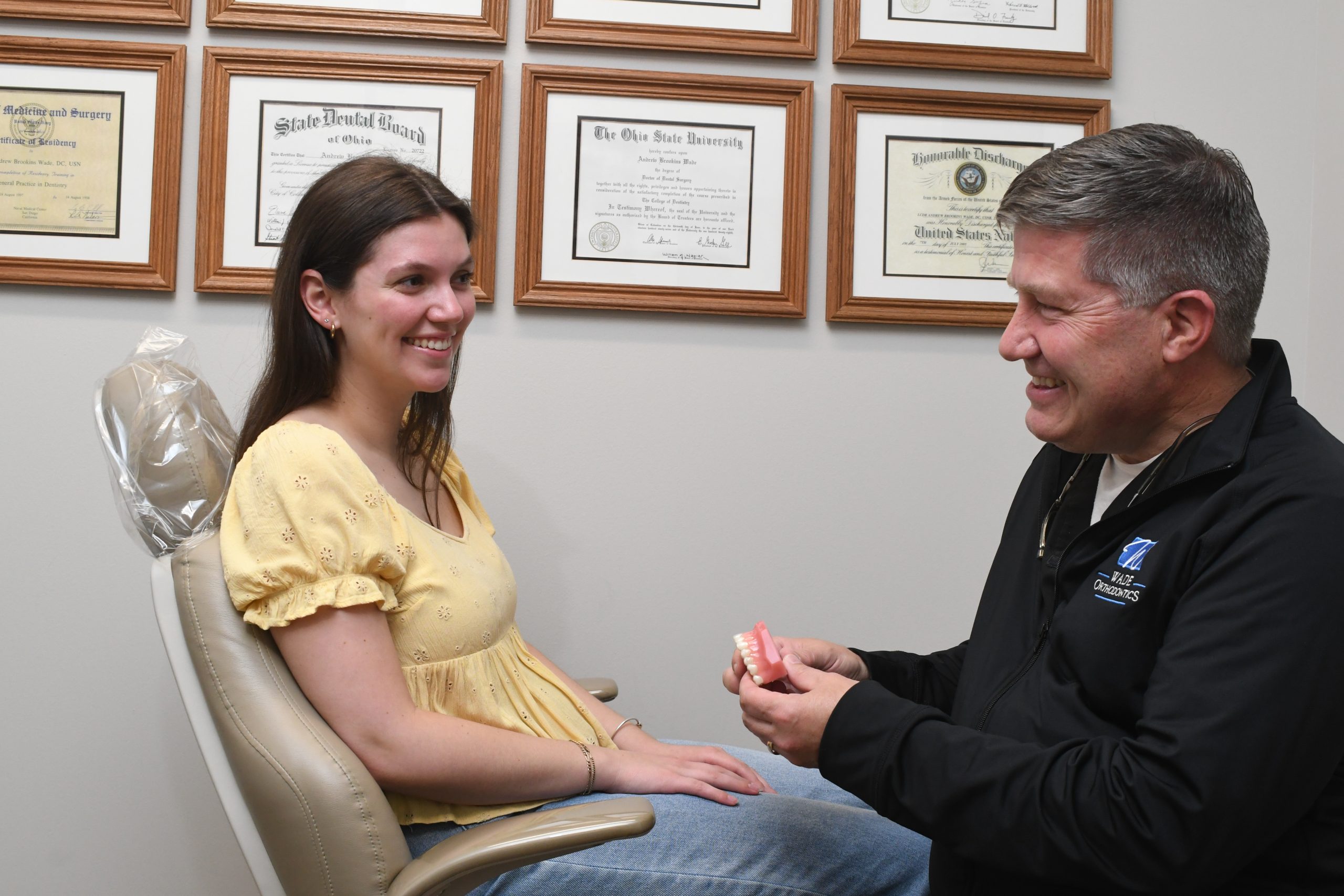
Pain, clicking, headaches, muscle tension, and difficulty opening the mouth can make everyday activities uncomfortable and affect quality of life. If you are experiencing symptoms involving the temporomandibular joint, finding the right diagnosis and treatment plan is an important first step toward relief. At Wade Orthodontics, our approach is built on caring for a person, not simply moving teeth, and that commitment extends to patients managing complex jaw concerns that require careful evaluation and personalized care.
Dr. Andrew B. Wade, DDS, MS, works closely with patients throughout Columbus, Upper Arlington, Dublin, Hilliard, Grandview, Galloway, and surrounding Central Ohio communities who are experiencing TMJ issues and temporomandibular disorders. Through careful evaluation and personalized treatment recommendations, our goal is to help patients improve jaw function, reduce discomfort, and return to daily activities with greater confidence.
TMD Treatment
The temporomandibular joint connects the lower jaw to the skull and plays a critical role in speaking, chewing, swallowing, and jaw movement. Because it is used throughout the day, problems affecting the joint or surrounding jaw muscles can create a wide range of symptoms. Temporomandibular joint dysfunction, often referred to as TMD or TMJ disorder, can involve the joint itself, the surrounding muscles, or both. The severity of symptoms varies from person to person. Some individuals experience occasional jaw clicking while others may struggle with chronic pain, headaches, limited jaw movement, or discomfort when eating.
Effective TMD treatment begins with an accurate diagnosis. During a consultation, Dr. Wade will review symptoms, discuss medical and dental history, and perform a thorough physical exam to evaluate jaw function and identify contributing factors. Because temporomandibular disorders can have multiple causes, treatment plans are customized to each patient’s specific needs and symptoms.
TMJ Symptoms
TMJ symptoms can affect more than the jaw itself. In some cases symptoms may be mild and intermittent. In others they can interfere with work, sleep, eating, and other aspects of daily life. Common symptoms of TMJ disorders include:
- Jaw pain or tenderness near the jaw joint
- Jaw clicking, popping, or grinding sounds
- Difficulty opening the mouth fully or limited jaw movement
- Muscle tension and spasms around the jaw muscles
- Facial pain on one or both sides
- Frequent headaches or migraines
- Pain while chewing
- Ear discomfort or pressure
- Clenching or bruxism
- Neck and facial tension
- Changes in bite alignment
Because symptoms can overlap with other conditions, an accurate diagnosis is essential before any treatment begins.
Causes of TMJ Disorders
There is rarely a single cause of a TMJ problem. Instead, several factors may contribute to inflammation, muscle tension, or stress on the temporomandibular joint.
Bruxism and Clenching
Grinding or clenching the teeth places significant pressure on the jaw joint and surrounding muscles. Many patients are unaware that they clench their teeth while sleeping, making a professional evaluation particularly important.
Arthritis
Arthritis affecting the temporomandibular joint can contribute to inflammation, stiffness, discomfort, and reduced jaw function over time.
Muscle Tension and Stress
Stress-related muscle tension can place additional strain on the jaw muscles and contribute to pain, headaches, and jaw fatigue throughout the day.
Injury or Trauma
Previous injuries involving the jawbone, face, or jaw joint may contribute to ongoing symptoms long after the initial injury has healed.
Repetitive Jaw Strain
Habits such as excessive gum chewing, nail biting, or extreme jaw movements can increase stress on the joint and surrounding tissues.
Bite and Alignment Concerns
In some cases, bite discrepancies or structural issues may contribute to discomfort and abnormal jaw movement patterns that affect long-term joint health.
Treatment Options
The best treatment depends on the cause and severity of symptoms. Most patients respond well to conservative treatments that focus on reducing inflammation, protecting the jaw joint, and improving muscle function.
Oral Appliances
Custom oral appliances are among the most common treatment options for patients experiencing TMJ pain, clenching, or bruxism. These appliances help reduce pressure on the jaw joint and surrounding muscles while protecting the teeth from excessive wear.
Physical Therapy
Physical therapy may be recommended to improve jaw movement, strengthen muscles, and reduce discomfort. A physical therapist can provide exercises and techniques designed to support improved jaw function and long-term symptom management.
Advanced TMJ Treatments
Some complex cases may require additional evaluation and treatment. Certain patients may benefit from trigger point injections, steroid injections, or Botox therapy when appropriate. In rare situations involving severe joint damage, minimally invasive procedures such as arthrocentesis or more advanced interventions including joint replacement may be considered by TMJ specialists upon referral from our team. These options are typically reserved for specific cases after conservative treatments have been fully explored.
Home Care Recommendations
Many patients benefit from simple home care strategies including:
- Eating soft foods during flare-ups
- Applying moist heat to sore muscles
- Avoiding excessive gum chewing
- Limiting extreme jaw movements
- Practicing stress management techniques
Over-the-counter medications such as ibuprofen may help manage inflammation and discomfort. In some cases, muscle relaxants may also be prescribed by a healthcare provider.
Nightguards
Nightguards are one of the most frequently recommended oral appliances for patients who clench or grind their teeth while sleeping. A custom nightguard helps create a protective barrier between the upper and lower teeth, reducing stress on the jaw joint and minimizing the effects of bruxism. Many patients experience meaningful improvements in headaches, muscle tension, jaw pain, and overall comfort after incorporating a professionally fitted nightguard into their routine. Because every patient’s needs are different, Dr. Wade will evaluate symptoms and determine whether a nightguard may be beneficial as part of a personalized treatment plan.
Why Early Evaluation Matters
TMJ symptoms can affect eating, sleeping, speaking, and overall quality of life. Seeking evaluation early helps identify contributing factors and can prevent symptoms from becoming more severe over time. If you have been experiencing jaw pain, clicking, headaches, or difficulty opening your mouth, a consultation with Dr. Wade can help determine the most appropriate next steps for your specific situation.
Personalized TMJ Care in Columbus, Ohio
As a third-generation orthodontic practice, Wade Orthodontics brings decades of experience and a patient-centered approach to every evaluation, including complex TMJ concerns. Dr. Wade works closely with specialists when needed and is committed to helping patients find lasting relief through evidence-based, individualized care. We serve patients throughout Columbus, Upper Arlington, Dublin, Hilliard, Grandview, Galloway, and surrounding Central Ohio communities.
Schedule Your Complimentary TMJ Consultation in Columbus, Ohio
If you are experiencing jaw pain, headaches, clicking, muscle tension, or other TMJ symptoms, Wade Orthodontics is here to help. Dr. Wade will take time to understand your concerns, evaluate your symptoms, and recommend treatment options tailored to your needs. Our goal is to help improve jaw function, reduce discomfort, and support your long-term oral health and overall well-being.
Call or request an appointment today to schedule your complimentary TMJ consultation.
Request an Appointment
Modern dental care for your teeth. Professional diagnostics, painless treatment, and prevention for the whole family.
LET’S GET STARTED
Schedule Your Complimentary Consultation
3404 Riverside Drive
Columbus, OH 43221
Monday - Thursday: 7:30am - 4:00pm
Friday: Office Closed | Phones Available 8:00am – 1:00pm