TADs
Temporary Anchorage Devices (TADs) in Columbus, OH
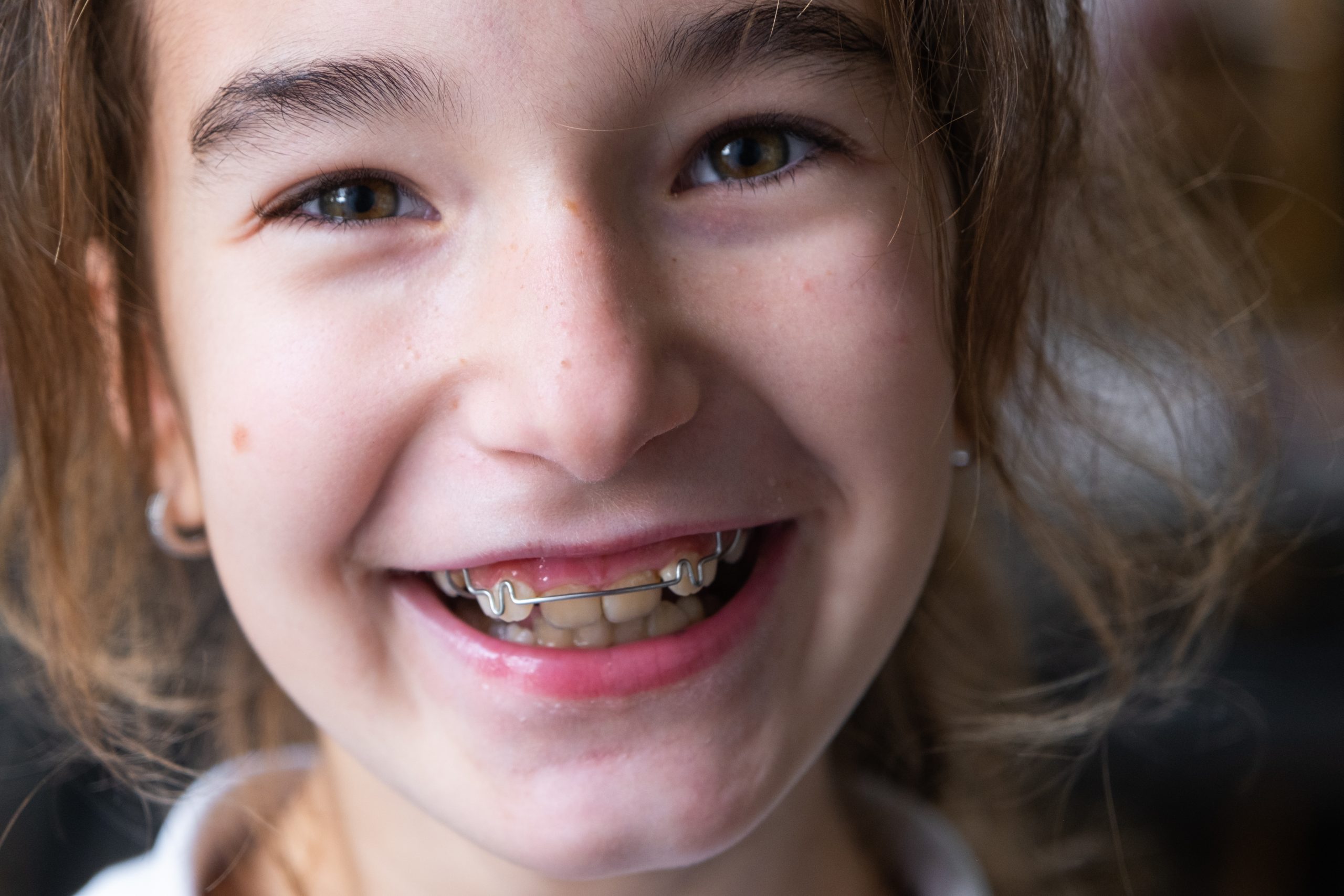
In some cases, traditional orthodontic appliances alone may not provide the level of control needed to achieve specific treatment goals. A Temporary Anchorage Device, commonly called a TAD, offers a highly effective option for moving teeth into a desired position while often reducing overall treatment time and helping address complex cases that might otherwise require additional appliances.
At Wade Orthodontics, Dr. Andrew B. Wade, DDS, MS, uses advanced orthodontic technology and techniques, including TADs, to improve treatment efficiency and achieve predictable results for patients throughout Columbus, Upper Arlington, Dublin, Hilliard, Grandview, Galloway, and surrounding Central Ohio communities. Our approach is built on caring for a person, not simply moving teeth, and that means using the most precise tools available when a patient’s goals call for them.
What Is a Temporary Anchorage Device?
A temporary anchorage device is a small titanium anchor that serves as a fixed point within the mouth during orthodontic treatment. These small titanium screws are carefully placed into the jawbone and provide stable orthodontic anchorage that allows teeth to move more efficiently and accurately. Unlike traditional methods that may rely on rubber bands, headgear, or other orthodontic appliances, a TAD creates a secure anchor point that helps direct the movement of teeth without affecting surrounding teeth.
Because the device is temporary, it is removed once the desired tooth movement has been achieved and treatment progresses to the next stage. Common uses for a TAD include:
Closing spaces between teeth
Correcting an open bite
Moving back teeth into a better position
Supporting the movement of the lower teeth
Improving alignment in complex cases
Reducing dependence on headgear and other external appliances
Complex cases requiring maximum anchorage
Because every patient’s anatomy and goals are different, Dr. Wade carefully evaluates whether a temporary anchorage device is appropriate for each individual situation.
Benefits of TADs
Temporary Anchorage Devices offer several meaningful advantages for patients and treatment outcomes.
Greater Precision
Because a TAD provides a fixed point of anchorage, forces can be directed exactly where they are needed without unwanted movement elsewhere in the mouth. This level of control can be especially beneficial in complex cases that require precise tooth positioning.
Reduced Dependence on Headgear or Bands
TADs often eliminate the need for headgear or extensive rubber band wear while providing similar or improved results. They also reduce reliance on patient compliance that would otherwise be required with external appliances, making treatment more predictable overall.
Improved Efficiency
A temporary anchorage device can help achieve more efficient tooth movement by directing force exactly where it is needed. In some cases this may reduce overall treatment time.
Enhanced Treatment Options
TADs expand the range of orthodontic options available by improving the correction of challenging concerns that may have previously required more invasive treatment approaches, including open bite cases and complex spacing issues.
Comfortable and Minimally Invasive
The placement process is straightforward and typically completed in the orthodontic office using a local anesthetic. Most patients experience only minor discomfort following placement and return to normal activities the same day.
TAD Placement Process
The TAD placement process is typically completed in just a few minutes and is considered a minimally invasive in-office procedure. Dr. Wade will begin with a careful examination and treatment planning appointment to identify the ideal placement area based on each patient’s specific orthodontic goals. On the day of placement:
A local anesthetic is applied to numb the area
The small titanium screw is gently inserted into the jawbone
The TAD is positioned to provide optimal orthodontic anchorage
Orthodontic appliances such as braces may be connected to the device
Treatment begins immediately or shortly after placement
Most patients return to school, work, and daily activities shortly after their appointment with minimal disruption.
What to Expect After TAD Placement
Following TAD placement, mild tenderness is common for a few days. This discomfort is generally manageable with over-the-counter pain relievers as recommended by Dr. Wade. Maintaining good oral hygiene throughout treatment is important. Patients should brush carefully around the TAD, keep the gum tissue clean, follow all oral hygiene instructions, attend all scheduled orthodontic appointments, and report any unusual discomfort promptly. Most patients adapt quickly and find that the TAD becomes a routine part of their treatment experience.
Personalized Orthodontic Care in Columbus, Ohio
As a third-generation orthodontic practice, Wade Orthodontics believes every patient deserves a customized approach to care. TADs are one of many advanced tools available to help create exceptional outcomes while supporting patient comfort and efficiency throughout treatment. Whether care involves braces, LightForce brackets, clear aligners, rubber bands, or a temporary anchorage device, our team is committed to providing clear communication and personalized attention at every stage of the process. We serve patients throughout Columbus, Upper Arlington, Dublin, Hilliard, Grandview, Galloway, and surrounding Central Ohio communities.
Schedule Your Complimentary TAD Consultation in Columbus, Ohio
If you have been told you may benefit from a Temporary Anchorage Device or would like to learn more about advanced orthodontic treatment options, Wade Orthodontics is here to help. Dr. Wade and our experienced team will evaluate your smile, discuss your goals, and determine whether TADs can support more efficient and predictable treatment results.
Call us or request an appointment today to schedule your complimentary consultation and learn more about Temporary Anchorage Device treatment in Columbus, Ohio.
Temporary Anchorage Devices (TADs) in Columbus, OH
In some cases, traditional orthodontic appliances alone may not provide the level of control needed to achieve specific treatment goals. A Temporary Anchorage Device, commonly called a TAD, offers a highly effective option for moving teeth into a desired position while often reducing overall treatment time and helping address complex cases that might otherwise require additional appliances.
At Wade Orthodontics, Dr. Andrew B. Wade, DDS, MS, uses advanced orthodontic technology and techniques, including TADs, to improve treatment efficiency and achieve predictable results for patients throughout Columbus, Upper Arlington, Dublin, Hilliard, Grandview, Galloway, and surrounding Central Ohio communities. Our approach is built on caring for a person, not simply moving teeth, and that means using the most precise tools available when a patient’s goals call for them.
What Is a Temporary Anchorage Device?
A temporary anchorage device is a small titanium anchor that serves as a fixed point within the mouth during orthodontic treatment. These small titanium screws are carefully placed into the jawbone and provide stable orthodontic anchorage that allows teeth to move more efficiently and accurately. Unlike traditional methods that may rely on rubber bands, headgear, or other orthodontic appliances, a TAD creates a secure anchor point that helps direct the movement of teeth without affecting surrounding teeth.
Because the device is temporary, it is removed once the desired tooth movement has been achieved and treatment progresses to the next stage. Common uses for a TAD include:
Closing spaces between teeth
Correcting an open bite
Moving back teeth into a better position
Supporting the movement of the lower teeth
Improving alignment in complex cases
Complex cases requiring maximum anchorage
Reducing dependence on headgear and other external appliances
Benefits of TADs
Temporary Anchorage Devices offer several meaningful advantages for patients and treatment outcomes.
Greater Precision
Because a TAD provides a fixed point of anchorage, forces can be directed exactly where they are needed without unwanted movement elsewhere in the mouth. This level of control can be especially beneficial in complex cases that require precise tooth positioning.
Reduced Dependence on Headgear or Bands
TADs often eliminate the need for headgear or extensive rubber band wear while providing similar or improved results. They also reduce reliance on patient compliance that would otherwise be required with external appliances, making treatment more predictable overall.
Improved Efficiency
A temporary anchorage device can help achieve more efficient tooth movement by directing force exactly where it is needed. In some cases this may reduce overall treatment time.
Enhanced Treatment Options
TADs expand the range of orthodontic options available by improving the correction of challenging concerns that may have previously required more invasive treatment approaches, including open bite cases and complex spacing issues.
Comfortable and Minimally Invasive
The placement process is straightforward and typically completed in the orthodontic office using a local anesthetic. Most patients experience only minor discomfort following placement and return to normal activities the same day.
TAD Placement Process
The TAD placement process is typically completed in just a few minutes and is considered a minimally invasive in-office procedure. Dr. Wade will begin with a careful examination and treatment planning appointment to identify the ideal placement area based on each patient’s specific orthodontic goals. On the day of placement:
The small titanium screw is gently inserted into the jawbone
The TAD is positioned to provide optimal orthodontic anchorage
A local anesthetic is applied to numb the area
Orthodontic appliances such as braces may be connected to the device
Treatment begins immediately or shortly after placement
Most patients return to school, work, and daily activities shortly after their appointment with minimal disruption.
What to Expect After TAD Placement
Following TAD placement, mild tenderness is common for a few days. This discomfort is generally manageable with over-the-counter pain relievers as recommended by Dr. Wade. Maintaining good oral hygiene throughout treatment is important. Patients should brush carefully around the TAD, keep the gum tissue clean, follow all oral hygiene instructions, attend all scheduled orthodontic appointments, and report any unusual discomfort promptly. Most patients adapt quickly and find that the TAD becomes a routine part of their treatment experience.
Personalized Orthodontic Care in Columbus, Ohio
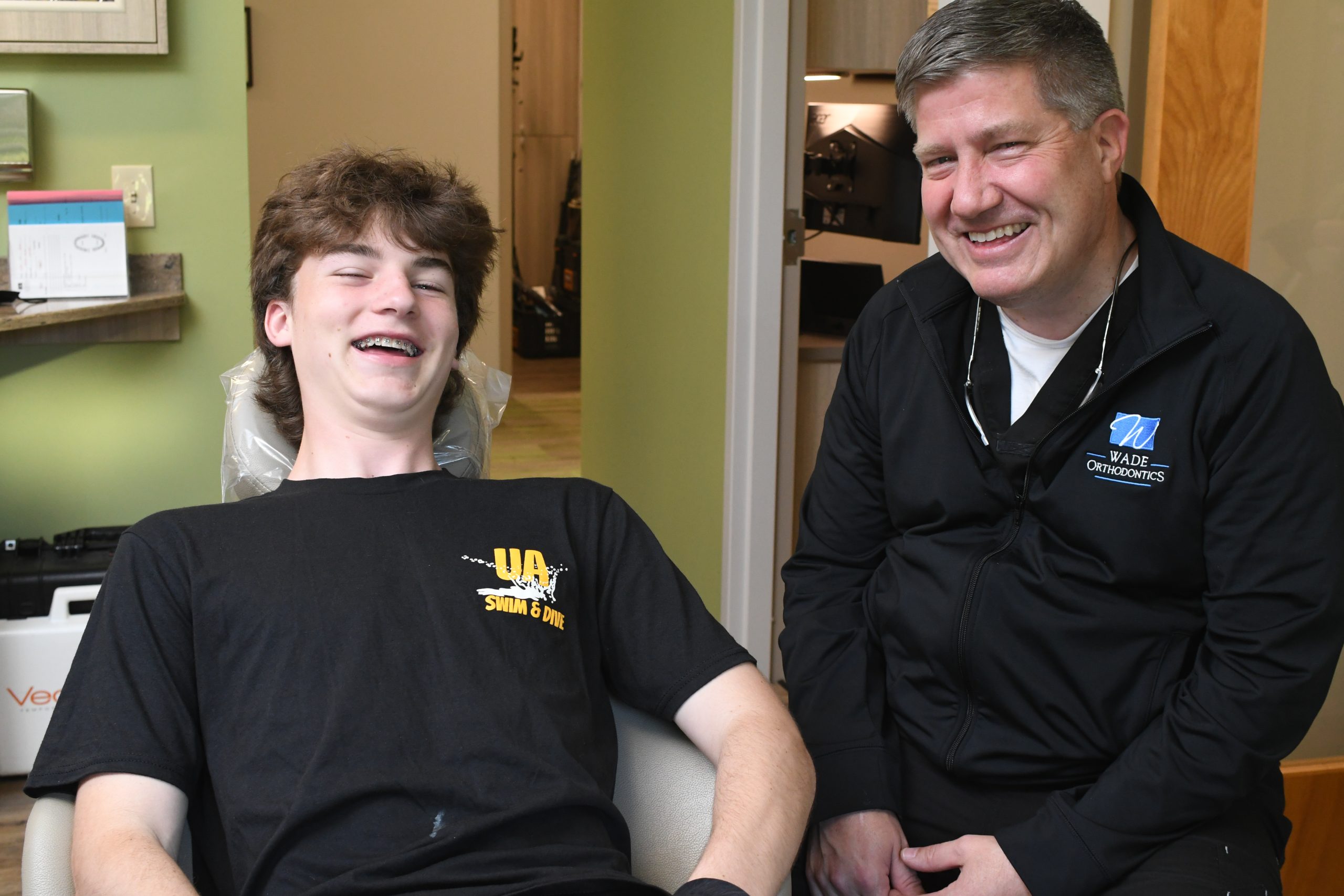
As a third-generation orthodontic practice, Wade Orthodontics believes every patient deserves a customized approach to care. TADs are one of many advanced tools available to help create exceptional outcomes while supporting patient comfort and efficiency throughout treatment. Whether care involves braces, LightForce brackets, clear aligners, rubber bands, or a temporary anchorage device, our team is committed to providing clear communication and personalized attention at every stage of the process. We serve patients throughout Columbus, Upper Arlington, Dublin, Hilliard, Grandview, Galloway, and surrounding Central Ohio communities.
Schedule Your Complimentary TAD Consultation in Columbus, Ohio
If you have been told you may benefit from a Temporary Anchorage Device or would like to learn more about advanced orthodontic treatment options, Wade Orthodontics is here to help. Dr. Wade and our experienced team will evaluate your smile, discuss your goals, and determine whether TADs can support more efficient and predictable treatment results.
Frequently Asked Questions About Temporary Anchorage Devices
Are TADs painful?
Most patients experience only mild discomfort during and after TAD placement. A local anesthetic is used during the procedure to numb the area, and any tenderness afterward is usually temporary and manageable with over-the-counter pain relievers. Most patients return to normal activities the same day and find that discomfort resolves within a few days of placement.
How long do TADs stay in place?
The length of time varies based on the individual treatment plan and how much tooth movement is needed. Many TADs remain in place for several months while the necessary tooth movement occurs, after which they are removed in a quick, straightforward in-office procedure. Dr. Wade will provide a personalized timeline estimate during the complimentary consultation.
Can TADs reduce orthodontic treatment time?
In some cases, yes. Because TADs provide stable anchorage and support more efficient directional tooth movement, they may help reduce overall treatment time compared to approaches that rely on rubber bands or headgear. The degree of time savings depends on the complexity of each case and the specific goals being achieved.
Are TADs considered oral surgery?
TAD placement is classified as a minimally invasive in-office procedure rather than traditional oral surgery. It is performed in the orthodontic office using a local anesthetic, takes only a few minutes, and most patients recover quickly and return to normal activities the same day without the recovery period associated with more involved surgical procedures.
How much do Temporary Anchorage Devices cost in Columbus, Ohio?
The cost of a Temporary Anchorage Device depends on the specific treatment plan and orthodontic needs of each patient. Initial consultations at Wade Orthodontics are complimentary, so there is no cost to find out whether TADs may be appropriate for your treatment. Our team will review all associated costs, insurance benefits, and available payment options during your visit. Call Wade Orthodontics at (614) 451-7555 to learn more.
What happens when a TAD is removed?
TAD removal is a quick and straightforward process that is typically completed in the orthodontic office in just a few minutes. A local anesthetic may be used to ensure comfort, and most patients experience very little discomfort during or after removal. Once the TAD is removed, treatment continues with braces, LightForce brackets, clear aligners, or other appliances as planned, and the small opening in the gum tissue heals quickly on its own.
LET’S GET STARTED
Schedule Your Complimentary Consultation
3404 Riverside Drive
Columbus, OH 43221
Monday-Thursday: 7:30am - 4:00pm
Friday: Office Closed | Phones Available 8:00am – 1:00pm