
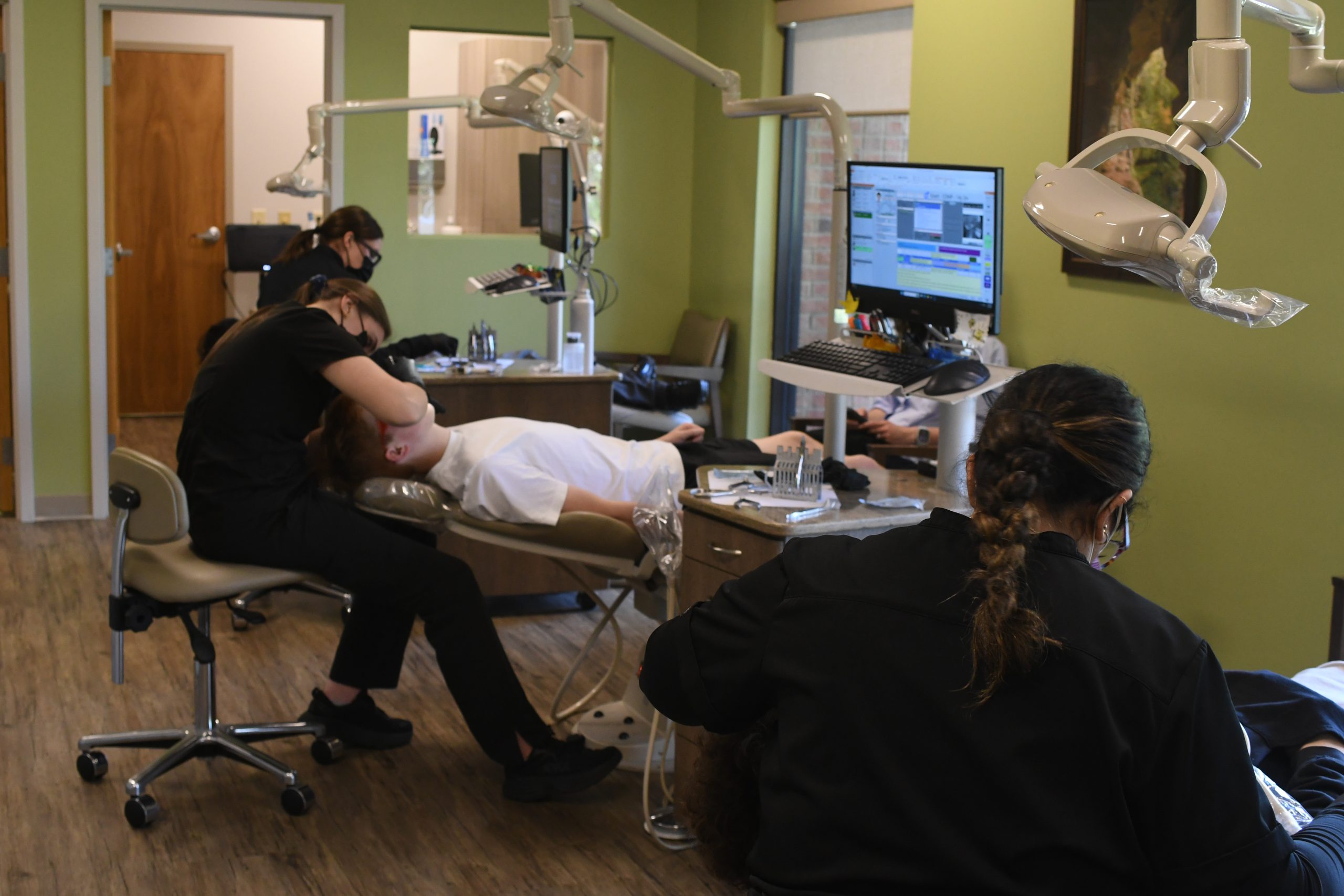
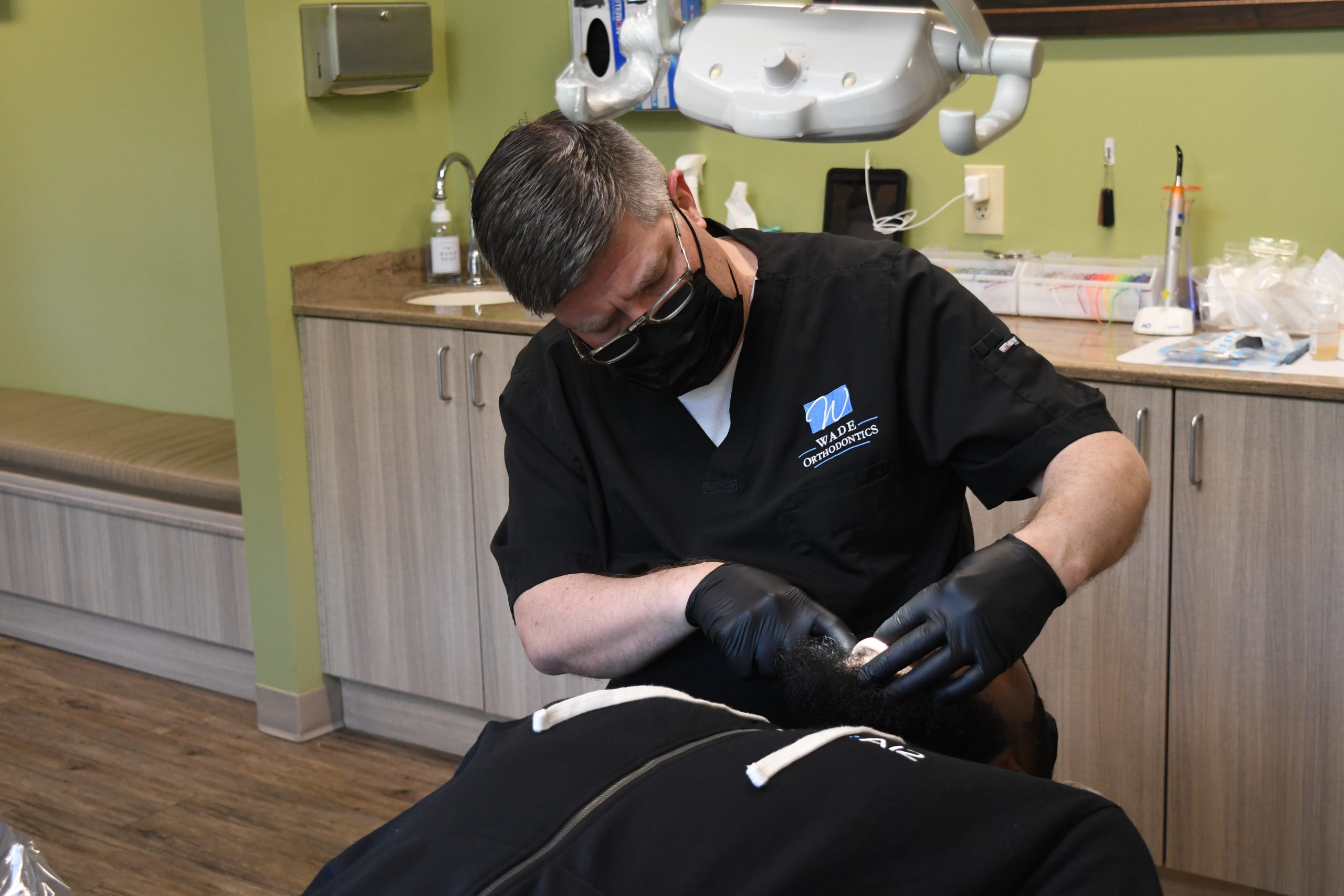
Many people seek orthodontic care because they want straighter teeth and a more confident smile. However, orthodontic treatment can also improve oral health, bite function, and long-term comfort. At Wade Orthodontics, Dr. Andrew B. Wade, DDS, MS, helps patients throughout Columbus, Upper Arlington, Dublin, Hilliard, Grandview, Galloway, and surrounding Central Ohio communities address a wide range of common orthodontic issues using personalized treatment plans designed around each patient’s unique needs. Our approach is built on caring for a person, not simply moving teeth.
Orthodontic problems can affect the way your teeth fit together, how you chew and speak, and even the appearance of your facial structure. Early intervention often makes treatment simpler, but effective options are available for children, teens, and adults alike.

Dr. Wade diagnoses and treats various types of malocclusion, which is the term for a “bad bite.” These conditions can develop due to genetics, differences in tooth size, jaw growth patterns, thumb sucking, tongue thrusting, premature tooth loss, or other factors. According to the American Association of Orthodontists, orthodontic problems are among the most common dental concerns affecting patients of all ages. Many common orthodontic problems can contribute to:
The good news is that modern orthodontic treatment offers a variety of options including traditional braces, LightForce brackets, and clear aligners to address concerns at every level of complexity.
Phase 1 Orthodontic Treatment, sometimes called interceptive orthodontics, focuses on addressing specific developmental concerns while a child is still growing. The goal is to create a healthier environment for future dental development and support proper jaw growth. Treatment may be recommended when orthodontic concerns have the potential to become more difficult to correct later.
Depending on your child’s needs, Phase 1 treatment may:
Not every child requires Phase 1 treatment. Dr. Wade carefully evaluates each patient’s growth patterns and individual needs before making recommendations. Early treatment can often simplify future care and provide opportunities to guide development while the jaw is still growing.
Every child has unique orthodontic needs. Dr. Wade develops personalized treatment plans based on your child’s age, growth stage, and specific concerns. Treatment options may include:
As your child’s smile develops, we continue evaluating progress and adjusting recommendations accordingly. Our goal is always to provide the most appropriate care at the right time.
Every orthodontic problem requires an individualized approach. Dr. Wade develops treatment plans based on each patient’s goals, oral health, age, and specific diagnosis. Treatment options may include:
The best treatment depends on the type of malocclusion, the severity of the concern, and each patient’s overall treatment goals.
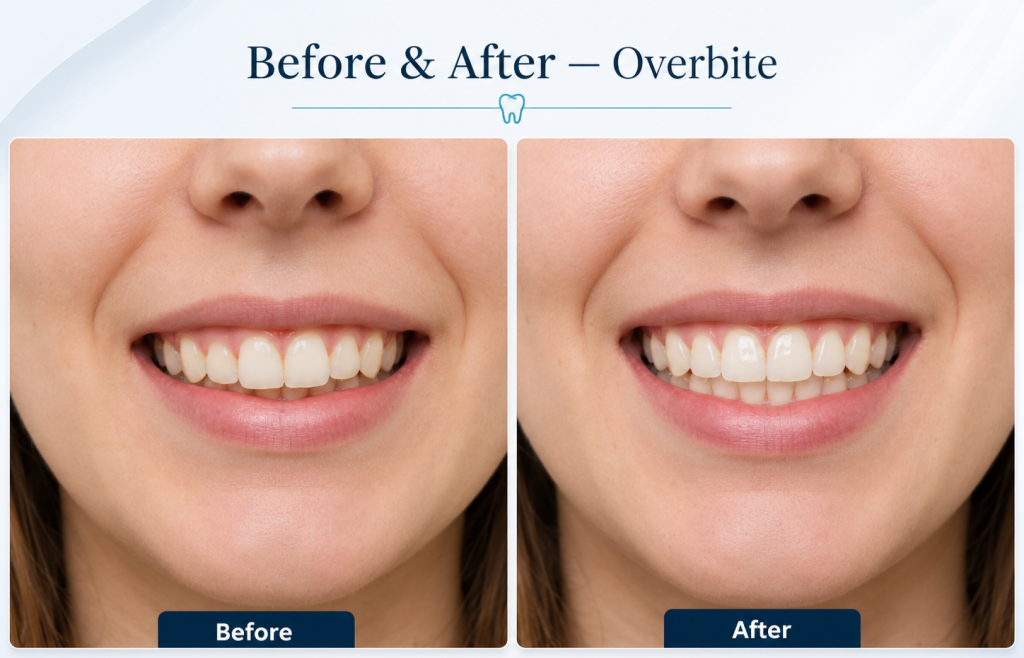
An overbite occurs when the upper front teeth overlap the lower teeth more than normal. In severe cases, the lower teeth may contact the roof of the mouth behind the upper teeth. A deep bite can contribute to excessive wear on tooth enamel, jaw discomfort, difficulty chewing, and an increased risk of dental problems. Treatment plans often involve traditional braces, clear aligners, or other orthodontic appliances designed to improve the relationship between the upper jaw and lower jaw.
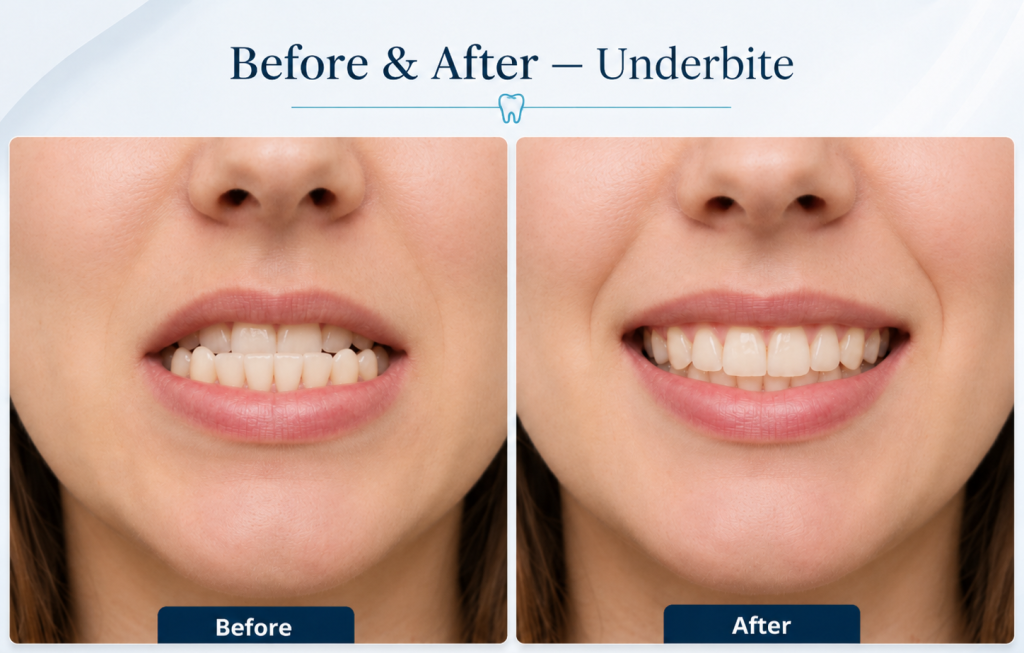
An underbite occurs when the lower jaw extends forward, causing the bottom teeth to sit in front of the upper teeth. This type of malocclusion may affect facial structure, bite function, speech, and chewing efficiency. Some underbites are mild while severe cases may require more comprehensive orthodontic care. Treatment options vary based on age, jaw development, and the severity of the condition.
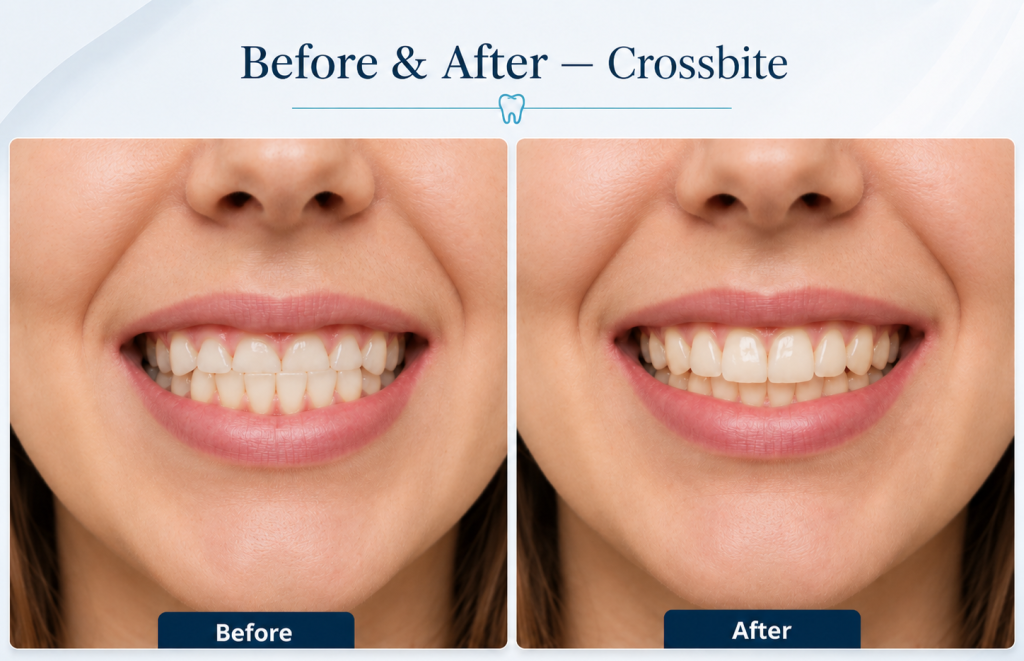
A crossbite develops when some upper teeth fit inside the lower teeth instead of outside them. There are two primary types. An anterior crossbite affects the front teeth and can influence tooth wear and appearance. A posterior crossbite affects the back teeth and may contribute to uneven jaw function over time. Crossbites can affect both oral health and facial symmetry. Early intervention is often recommended because correcting the problem during growth may help guide proper upper jaw development.
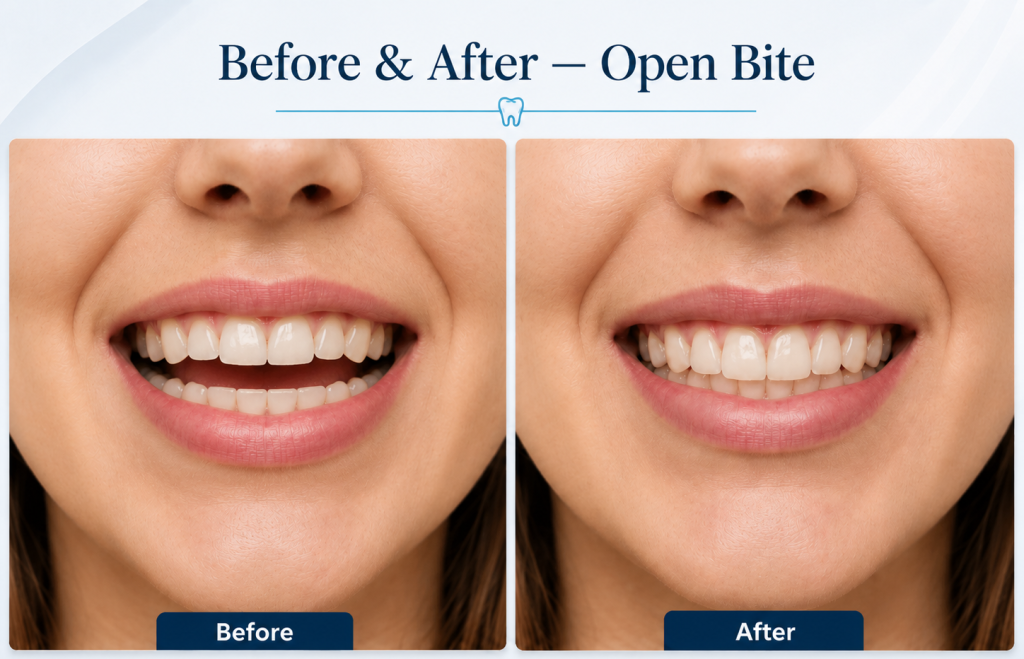
An open bite occurs when the upper and lower teeth do not touch when the mouth is closed, leaving a gap between the front or back teeth. Common causes include thumb sucking, tongue thrusting, and certain jaw growth patterns. Patients with an open bite may experience difficulty chewing, speech problems, and uneven tooth wear. Orthodontic treatment can help create proper tooth contact and improve bite function.
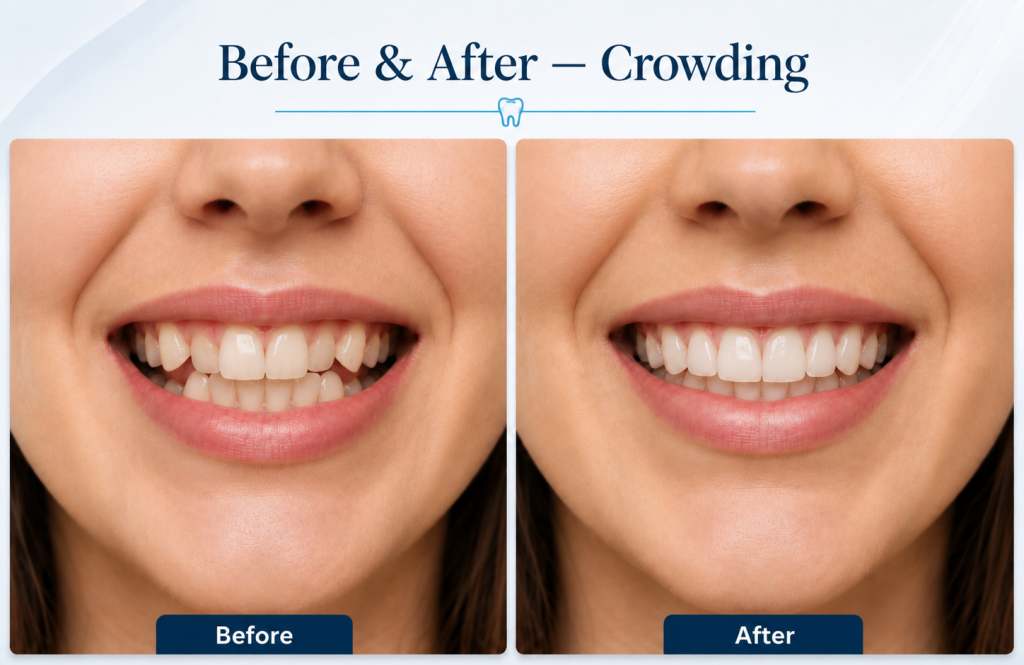
Crowding is one of the most common orthodontic concerns. It occurs when there is insufficient space in the dental arches, preventing teeth from erupting into proper positions. Crowded teeth can create challenges with oral hygiene, flossing and brushing, and prevention of tooth decay and gum disease. In some cases, crowding can contribute to an impacted tooth that cannot erupt properly. Treatment options may include traditional metal braces, LightForce brackets, or clear aligners designed to gradually move teeth into healthier alignment.
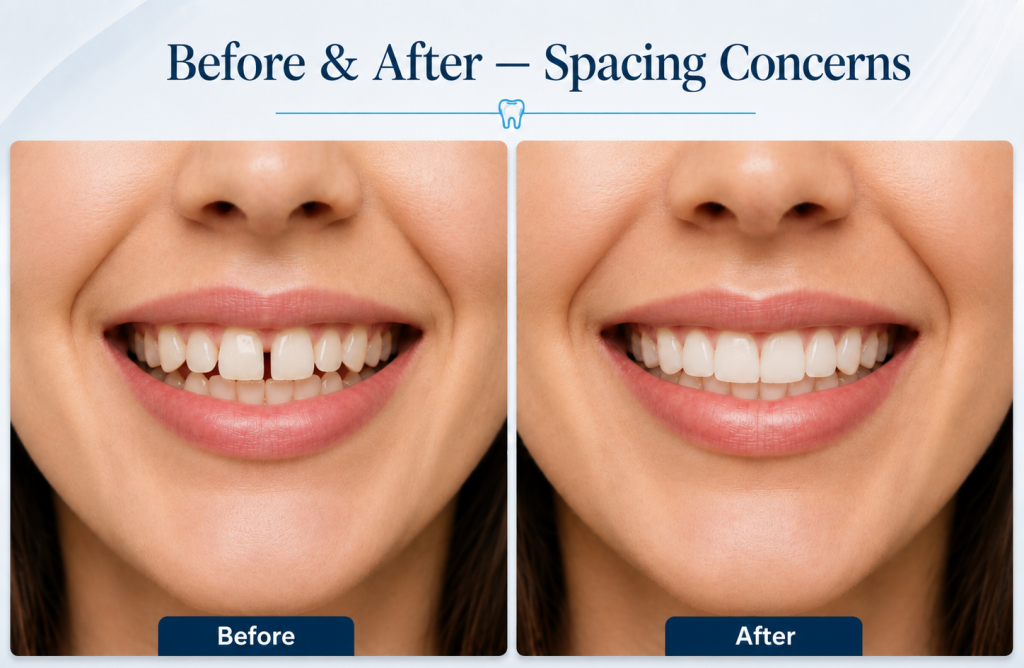
Spacing issues occur when there are gaps between teeth. Excessive spacing may develop because of tooth size differences, a missing tooth, tooth loss, or natural jaw spacing. While some gaps are primarily cosmetic concerns, spacing can also affect bite function, oral hygiene, and long-term tooth stability. Depending on the cause, treatment may involve orthodontic care, dental bonding, or a combination of approaches.
In addition to the most common orthodontic issues, patients may also experience midline misalignment where the center of the upper teeth does not align with the center of the lower teeth, impacted teeth that become trapped beneath the gums and cannot erupt properly, jaw alignment concerns that affect facial structure and bite function, and TMJ-related symptoms. While orthodontic treatment is not always the solution for TMJ disorders, correcting bite issues may help improve overall function in certain cases.
Many patients initially seek treatment because of cosmetic concerns, but orthodontic care also supports long-term health. Properly aligned teeth are easier to clean, reducing the risk of tooth decay and gum disease. Correcting bite issues may also improve chewing efficiency and help prevent unnecessary stress on the teeth and jaws. As a third-generation orthodontist, Dr. Wade combines experience, advanced technology, and individualized care to help patients throughout Columbus, Upper Arlington, Dublin, Hilliard, Grandview, Galloway, and surrounding Central Ohio communities achieve healthy, lasting results.
If you are experiencing crowding, spacing, bite problems, jaw discomfort, or any other orthodontic concern, Wade Orthodontics can help. Dr. Wade will evaluate your smile, explain your treatment options, and create a personalized plan designed around your goals.
Call or request an appointment at wadeorthodontics.com/contact-us today to schedule your complimentary consultation and learn how orthodontic treatment can help you achieve a healthier bite and a more confident smile.
Crowding is one of the most frequently treated orthodontic concerns. Many patients do not have enough room in their dental arches for all teeth to align properly, which can affect oral hygiene, tooth eruption, and long-term dental health. Dr. Wade evaluates each patient’s spacing and alignment concerns individually to determine the most appropriate treatment approach.
In some cases, yes. Correcting bite issues and improving alignment may help reduce jaw discomfort by distributing chewing forces more evenly and reducing stress on the temporomandibular joint. Dr. Wade can evaluate your concerns during a complimentary consultation and recommend appropriate treatment options based on your specific symptoms and bite relationship.
Clear aligners can successfully treat many orthodontic problems including crowding, spacing concerns, and certain bite issues. More complex cases involving significant bite correction or jaw discrepancies may benefit from traditional braces or LightForce brackets instead. Dr. Wade will help determine which option is best suited to your alignment needs and lifestyle during your consultation at Wade Orthodontics.
No. Orthodontic treatment can be effective for patients of all ages, and many adults choose treatment to improve oral health, function, and appearance. Whether you are addressing concerns that were never corrected earlier in life or managing changes that have developed over time, Wade Orthodontics offers personalized treatment options designed to fit adult lifestyles and goals.
The cost depends on your specific diagnosis, treatment plan, and the type of orthodontic treatment recommended. Initial consultations at Wade Orthodontics are complimentary, so there is no cost to find out what treatment may involve. During your visit, Dr. Wade will provide a personalized estimate and our team will review insurance benefits, payment plans, and financing options so you can make a fully informed decision.
An overbite occurs when the upper front teeth overlap the lower teeth more than normal, while an underbite occurs when the lower jaw extends forward and the bottom teeth sit in front of the upper teeth. Both are types of malocclusion that can affect bite function, facial structure, and oral health. Dr. Wade evaluates both conditions during a comprehensive orthodontic examination and develops a personalized treatment plan based on the severity and individual needs of each patient.
3404 Riverside Drive
Columbus, OH 43221
Monday-Thursday: 7:30am - 4:00pm
Friday: Office Closed | Phones Available 8:00am – 1:00pm
