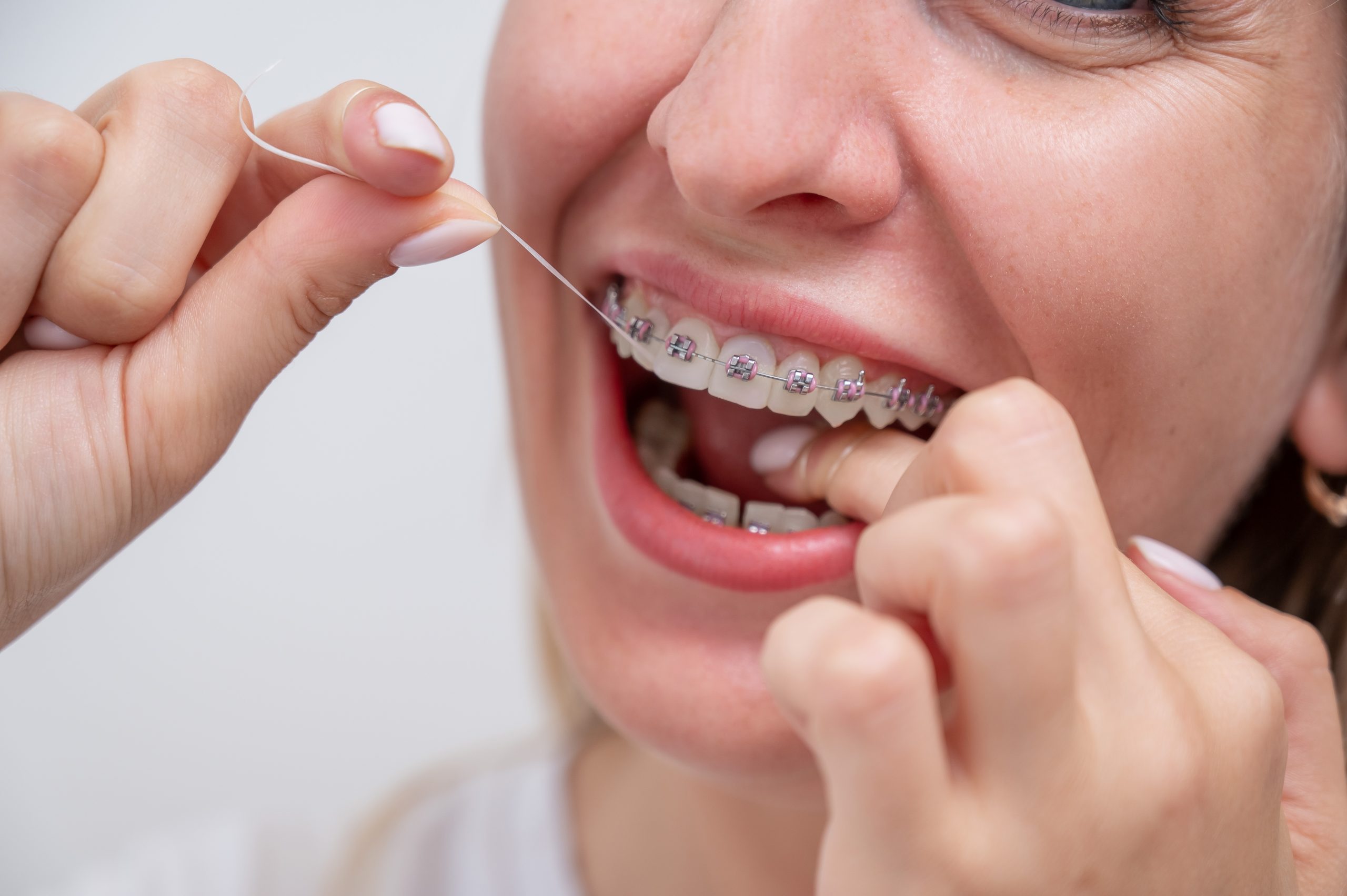
Brushing and Flossing with Braces in Columbus, OH
Keeping teeth clean during orthodontic treatment is one of the most important steps toward achieving a healthy, beautiful smile. Dr. Andrew B. Wade, DDS, MS, and the team at Wade Orthodontics provide guidance and support to help patients throughout Columbus, Upper Arlington, Dublin, Hilliard, Grandview, Galloway, and surrounding Central Ohio communities maintain excellent oral hygiene. Our approach is built on caring for a person, not simply moving teeth, and that includes making sure every patient leaves our office with the knowledge and tools to protect their smile at home.
Whether patients wear traditional braces, clear braces, or another orthodontic appliance, daily brushing and flossing help protect oral health and keep treatment on track.
Why Oral Hygiene Matters During Orthodontic Treatment
Orthodontic treatment works by applying gentle pressure to guide teeth into their desired positions. Throughout that process, the teeth and gums must remain healthy. Metal brackets, wires, elastic bands, and rubber bands can trap food and make cleaning more challenging than usual. According to the American Association of Orthodontists, maintaining strong oral hygiene habits throughout treatment is one of the most important factors in achieving a healthy outcome. If plaque buildup remains on the teeth for extended periods, it can increase the risk of:
- Tooth decay and gum inflammation
- White spot lesions
- Bad breath
- Delayed treatment progress
- Additional orthodontic concerns
Maintaining excellent oral hygiene protects the investment made in orthodontic care and supports a healthier, more attractive smile once treatment is complete.
Orthodontic Education
Orthodontic treatment works by applying gentle pressure to guide teeth into their desired positions. Throughout that process, the teeth and gums must remain healthy. Metal brackets, wires, elastic bands, and rubber bands can trap food and make cleaning more challenging than usual.
Tooth decay & gum inflammation
White spot lesions
Bad breath
Delayed treatment progress
Additional orthodontic concerns
Maintaining excellent oral hygiene protects the investment made in orthodontic care and supports a healthier, more attractive smile once treatment is complete.
Brushing Techniques
Learning proper brushing techniques is one of the best ways to care for braces and maintain oral health throughout treatment.
Brush After Every Meal
Food particles can become trapped around metal brackets and wires after eating. Brushing after meals helps remove debris before plaque has an opportunity to build up. Many patients find it helpful to carry a travel toothbrush for use at school, work, or while away from home.
Use the Right Toothbrush
A soft-bristled toothbrush is typically recommended for patients wearing braces. Electric toothbrushes may also be beneficial because they can help clean around brackets and wires more effectively. When brushing:
- Hold the brush at a 45-degree angle toward the gumline
- Brush above and below each bracket
- Clean the front surface of each tooth carefully
- Brush the chewing surfaces and the backs of the teeth
- Spend adequate time cleaning every area of the mouth
Brush Before Bed
Nighttime brushing is especially important. Removing food particles and plaque before sleeping helps protect teeth while saliva production naturally decreases overnight. Many patients benefit from brushing thoroughly before bed and then checking the mirror to ensure no food remains around the braces.
Pay Attention to Brackets and Wires
Plaque can accumulate around metal brackets and along the gumline if these areas are overlooked. Take extra time to clean around orthodontic appliances, stainless steel wires, elastic bands, orthodontic bands, and areas near the gums. Consistent cleaning helps prevent staining and supports healthy teeth throughout treatment.
Flossing Around Braces
Flossing is equally important during orthodontic treatment, even though it requires additional time and patience. Food particles often become trapped between teeth where a toothbrush cannot reach, and regular flossing helps remove debris and reduce the risk of tooth decay and gum problems.
How to Floss With Braces
When flossing around traditional braces:
- Carefully thread dental floss beneath the main wire
- Guide the floss between two teeth
- Move the floss gently along each side of the tooth
- Repeat for every tooth
- Avoid snapping the floss against the gums
While this process takes longer than flossing without braces, it plays a significant role in maintaining oral health throughout treatment.
Helpful Flossing Tools
Many patients find flossing easier with floss threaders, orthodontic flossers, water flossers, or interdental brushes. A water flosser can be especially helpful for removing food particles around brackets and wires while supporting healthy gums.
- Floss threaders act like a needle, helping guide the floss under the wire easily.
- Water flossers use a steady stream of water to flush out food particles and plaque from hard-to-reach areas.
- Interdental brushes are small, cone-shaped brushes perfect for cleaning the spaces between brackets and underneath wires.
Make Flossing Part of the Daily Routine
Daily flossing helps prevent plaque buildup and supports successful orthodontic treatment. Creating a routine that includes brushing and flossing at the same time each day makes the habit easier to maintain consistently.
Foods That Can Affect Oral Hygiene
Certain foods make cleaning more difficult or increase the likelihood of appliance damage. Patients should be cautious with:
- Sticky foods such as caramel, taffy, and chewing gum
- Hard candies, ice, and crunchy snacks
- Foods that can adhere to brackets and wires and make plaque removal more challenging
Choosing braces-friendly foods helps support oral health and reduces unnecessary treatment delays.
Maintaining Healthy Teeth During Braces Treatment
Keeping teeth clean while wearing braces may take some extra effort, but following a consistent routine can make a significant difference. Here are six effective habits to help maintain optimal oral hygiene throughout orthodontic treatment:
Brushing after meals with fluoride toothpaste
Flossing every day using floss threaders or a water flosser
Drinking plenty of water throughout the day
Limiting sugary snacks and beverages
Attending all periodic appointments
Following all instructions from Dr. Wade
Braces, Clear Aligners, and Oral Hygiene
Many patients compare braces and clear aligner treatment when exploring their options. Clear aligners offer the advantage of being removable, making brushing and flossing simpler for some patients. Traditional braces, including clear and ceramic options such as Radiance brackets, require additional attention because brackets remain attached to the teeth throughout treatment. Each option has advantages depending on the patient’s specific needs and treatment plan. During a consultation, Dr. Wade can discuss different types of braces and clear aligner systems to help determine the right approach for each smile.
Regular Appointments Help Protect the Smile
Professional monitoring plays an important role in orthodontic care. Routine visits allow Dr. Wade to evaluate treatment progress, make necessary adjustments, and identify any oral hygiene concerns early. These periodic appointments help ensure treatment remains on track and that teeth and gums stay healthy throughout the process. Patients who maintain excellent oral hygiene consistently experience smoother treatment and better long-term outcomes.
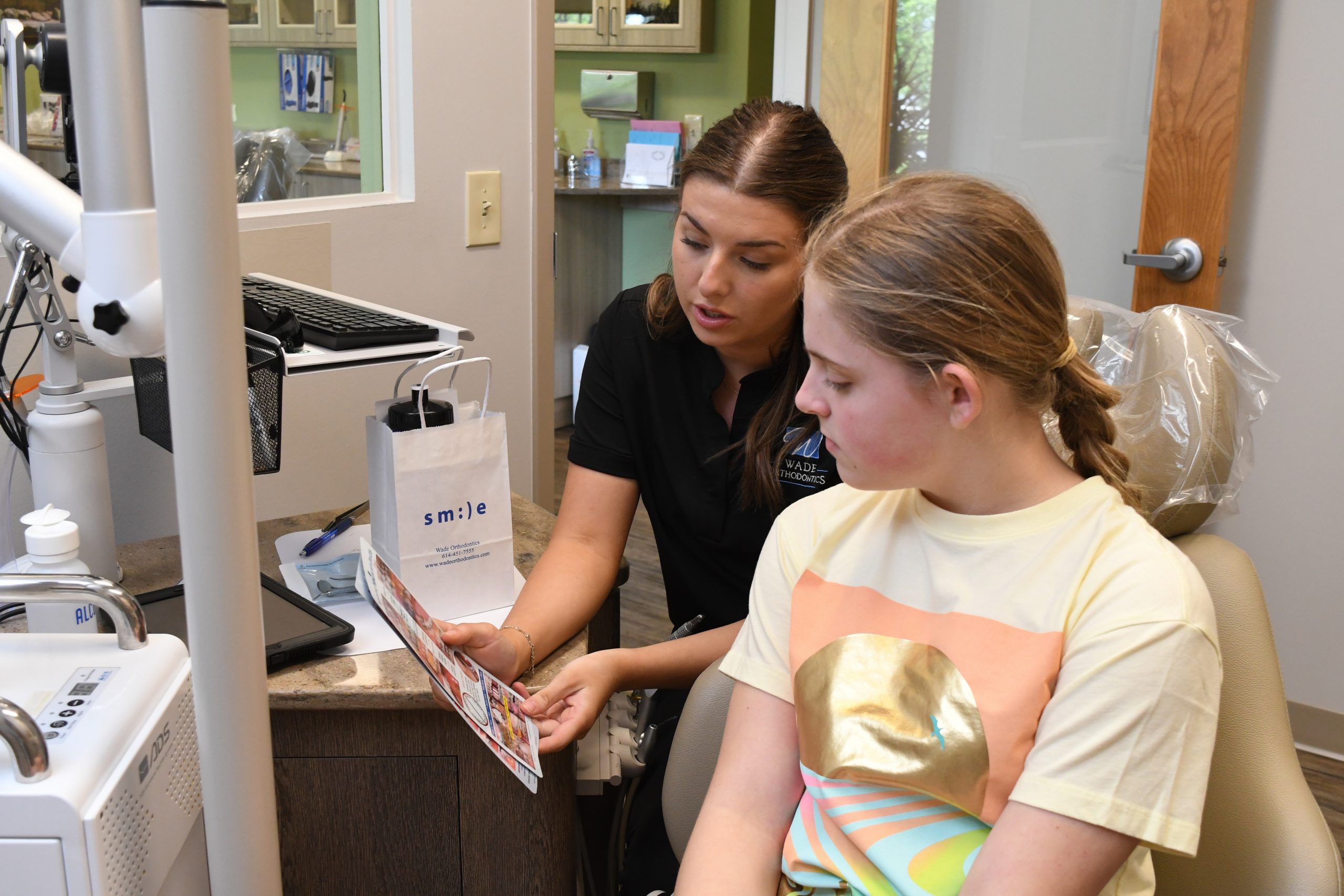
Patient Education at Wade Orthodontics
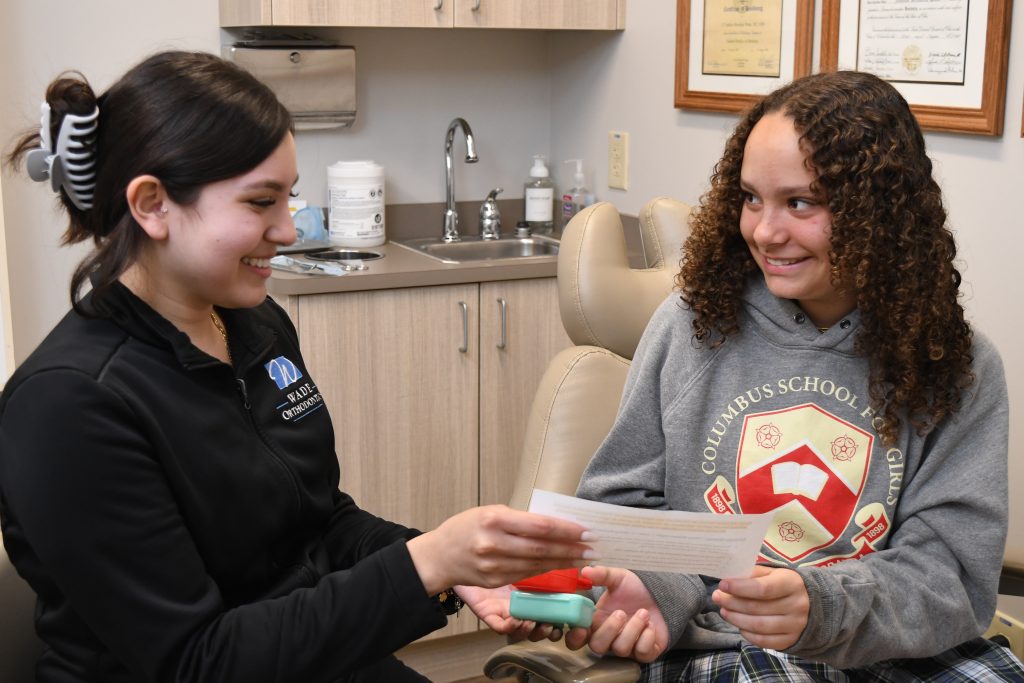
As a third-generation orthodontic practice, Wade Orthodontics believes patient education is an essential part of successful treatment. Dr. Wade and our team take the time to teach proper brushing and flossing techniques so every patient feels confident caring for their smile at home. Whether patients are wearing traditional metal braces, LightForce brackets, Radiance ceramic brackets, or another appliance, we are here to help them achieve straight teeth, a healthy bite, and a beautiful smile. We serve patients throughout Columbus, Upper Arlington, Dublin, Hilliard, Grandview, Galloway, and surrounding Central Ohio communities.
Schedule Your Complimentary Consultation in Columbus, OH
Maintaining good oral hygiene is one of the most important parts of successful orthodontic treatment. Whether a patient is considering braces or currently undergoing treatment, the team at Wade Orthodontics is here to help keep every smile healthy every step of the way.
Frequently Asked Questions About Brushing and Flossing With Braces
How often should patients brush their teeth while wearing braces?
Patients should brush after every meal and before bed whenever possible. Frequent brushing helps remove food particles and reduce plaque buildup around brackets and wires throughout the day. Carrying a travel toothbrush makes it easy to brush after meals at school, work, or other locations away from home.
Is flossing really necessary with braces?
Yes. Flossing removes plaque and debris between teeth where a toothbrush cannot reach, and skipping it significantly increases the risk of tooth decay and gum problems during treatment. Daily flossing using floss threaders, orthodontic flossers, or a water flosser is an essential part of maintaining oral health throughout the entire course of orthodontic care.
Can patients use a water flosser with braces?
Yes. Many orthodontic patients find that a water flosser makes it significantly easier to clean around brackets, wires, and other appliances compared to traditional flossing alone. A water flosser is a helpful addition to the oral hygiene routine but works best when used alongside regular dental floss or floss threaders rather than as a complete replacement for flossing.
What happens if oral hygiene is neglected during orthodontic treatment?
Poor oral hygiene during treatment can contribute to tooth decay, gum inflammation, white spot lesions, and staining around brackets. These issues can affect long-term oral health and may impact treatment progress or extend the overall duration of treatment. Dr. Wade and our team monitor oral hygiene at every appointment and can provide personalized recommendations to help patients improve their home care routine.
What toothbrush works best for braces?
A soft-bristled toothbrush or electric toothbrush is typically recommended for patients wearing braces. Both can clean effectively around metal brackets and wires when used with proper technique. Electric toothbrushes can be especially helpful for patients who find it difficult to clean thoroughly around all areas of their appliances with a manual brush.
How can patients tell if they are brushing and flossing well enough?
One of the best ways to evaluate oral hygiene is to look carefully in the mirror after brushing to check for any remaining food or plaque around brackets and along the gumline. Disclosing tablets, which temporarily stain plaque, can also help patients identify areas they are consistently missing. Dr. Wade and our team evaluate oral hygiene at every visit and will provide specific feedback and guidance if any areas of concern are identified.
Orthodontic treatment works by applying gentle pressure to guide teeth into their desired positions. Throughout that process, the teeth and gums must remain healthy. Metal brackets, wires, elastic bands, and rubber bands can trap food and make cleaning more challenging than usual. According to the American Association of Orthodontists, maintaining strong oral hygiene habits throughout treatment is one of the most important factors in achieving a healthy outcome. If plaque buildup remains on the teeth for extended periods, it can increase the risk of:
Tooth decay and gum inflammation
White spot lesions
Bad breath
Delayed treatment progress
Additional orthodontic concerns
Maintaining excellent oral hygiene protects the investment made in orthodontic care and supports a healthier, more attractive smile once treatment is complete.
Brushing Techniques
Learning proper brushing techniques is one of the best ways to care for braces and maintain oral health throughout treatment.
Brush After Every Meal
Food particles can become trapped around metal brackets and wires after eating. Brushing after meals helps remove debris before plaque has an opportunity to build up. Many patients find it helpful to carry a travel toothbrush for use at school, work, or while away from home.
Use the Right Toothbrush
A soft-bristled toothbrush is typically recommended for patients wearing braces. Electric toothbrushes may also be beneficial because they can help clean around brackets and wires more effectively. When brushing:
Hold the brush at a 45-degree angle toward the gumline
Brush above and below each bracket
Clean the front surface of each tooth carefully
Brush the chewing surfaces and the backs of the teeth
Spend adequate time cleaning every area of the mouth
Pay Attention to Brackets and Wires
Plaque can accumulate around metal brackets and along the gumline if these areas are overlooked. Take extra time to clean around orthodontic appliances, stainless steel wires, elastic bands, orthodontic bands, and areas near the gums. Consistent cleaning helps prevent staining and supports healthy teeth throughout treatment.
Brush Before Bed
Nighttime brushing is especially important. Removing food particles and plaque before sleeping helps protect teeth while saliva production naturally decreases overnight. Many patients benefit from brushing thoroughly before bed and then checking the mirror to ensure no food remains around the braces.
Flossing Around Braces
Flossing is equally important during orthodontic treatment, even though it requires additional time and patience. Food particles often become trapped between teeth where a toothbrush cannot reach, and regular flossing helps remove debris and reduce the risk of tooth decay and gum problems.
How to Floss With Braces
When flossing around traditional braces:
Carefully thread dental floss beneath the main wire
Guide the floss between two teeth
Move the floss gently along each side of the tooth
Repeat for every tooth
Avoid snapping the floss against the gums
While this process takes longer than flossing without braces, it plays a significant role in maintaining oral health throughout treatment.
Helpful Flossing Tools
Many patients find flossing easier with floss threaders, orthodontic flossers, water flossers, or interdental brushes. A water flosser can be especially helpful for removing food particles around brackets and wires while supporting healthy gums.
Make Flossing Part of the Daily Routine
Daily flossing helps prevent plaque buildup and supports successful orthodontic treatment. Creating a routine that includes brushing and flossing at the same time each day makes the habit easier to maintain consistently.
Foods That Can Affect Oral Hygiene
Certain foods make cleaning more difficult or increase the likelihood of appliance damage. Patients should be cautious with:
Sticky foods such as caramel, taffy, and chewing gum
Hard candies, ice, and crunchy snacks
Foods that can adhere to brackets and wires and make plaque removal more challenging
Choosing braces-friendly foods helps support oral health and reduces unnecessary treatment delays.
Maintaining Healthy Teeth During Braces Treatment
Orthodontic treatment is most successful when patients combine professional care with strong home habits. A healthy daily routine includes:
Brushing after meals with fluoride toothpaste
Flossing every day using floss threaders or a water flosser
Drinking plenty of water throughout the day
Limiting sugary snacks and beverages
Attending all periodic appointments
Following all instructions from Dr. Wade
These habits help protect against tooth decay and support a healthy bite once treatment is complete.
Braces, Clear Aligners, and Oral Hygiene
Many patients compare braces and clear aligner treatment when exploring their options. Clear aligners offer the advantage of being removable, making brushing and flossing simpler for some patients. Traditional braces, including clear and ceramic options such as Radiance brackets, require additional attention because brackets remain attached to the teeth throughout treatment. Each option has advantages depending on the patient’s specific needs and treatment plan. During a consultation, Dr. Wade can discuss different types of braces and clear aligner systems to help determine the right approach for each smile.
Regular Appointments Help Protect the Smile
Professional monitoring plays an important role in orthodontic care. Routine visits allow Dr. Wade to evaluate treatment progress, make necessary adjustments, and identify any oral hygiene concerns early. These periodic appointments help ensure treatment remains on track and that teeth and gums stay healthy throughout the process. Patients who maintain excellent oral hygiene consistently experience smoother treatment and better long-term outcomes.
Patient Education at Wade Orthodontics
As a third-generation orthodontic practice, Wade Orthodontics believes patient education is an essential part of successful treatment. Dr. Wade and our team take the time to teach proper brushing and flossing techniques so every patient feels confident caring for their smile at home. Whether patients are wearing traditional metal braces, LightForce brackets, Radiance ceramic brackets, or another appliance, we are here to help them achieve straight teeth, a healthy bite, and a beautiful smile. We serve patients throughout Columbus, Upper Arlington, Dublin, Hilliard, Grandview, Galloway, and surrounding Central Ohio communities.
Schedule Your Complimentary Consultation in Columbus, OH
Maintaining good oral hygiene is one of the most important parts of successful orthodontic treatment. Whether a patient is considering braces or currently undergoing treatment, the team at Wade Orthodontics is here to help keep every smile healthy every step of the way.
Call us or request an appointment today to schedule a complimentary consultation and learn more about caring for a smile during orthodontic treatment.
LET’S GET STARTED
Schedule Your Complimentary Consultation
3404 Riverside Drive
Columbus, OH 43221
Monday-Thursday: 7:30am- 4:00pm
Friday: Office Closed | Phones Available 8:00am – 1:00pm